
What Is Play Therapy?
After many years of doing this work, I still get asked “what is play therapy?” There are many different methods of play therapy but in general play therapy provides a space for children and youth to process the many challenges life throws their way by engaging in various forms of play. Play is a form of communication and with the support of a trusted and safe therapist, children use play to explore their feelings, process experiences, and develop coping skills. Instead of relying solely on verbal communication, which many children find challenging, play therapy utilizes toys and other materials to help children express themselves. Generally, play therapy sessions are done one on one so it is crucial that time is spent developing a strong therapeutic relationship based on trust and safety. Parents and caregivers play an important role in the play therapy process as well. Although they may not be in the play therapy sessions themselves, their participation in the process can help support the child and is integral to the healing journey.
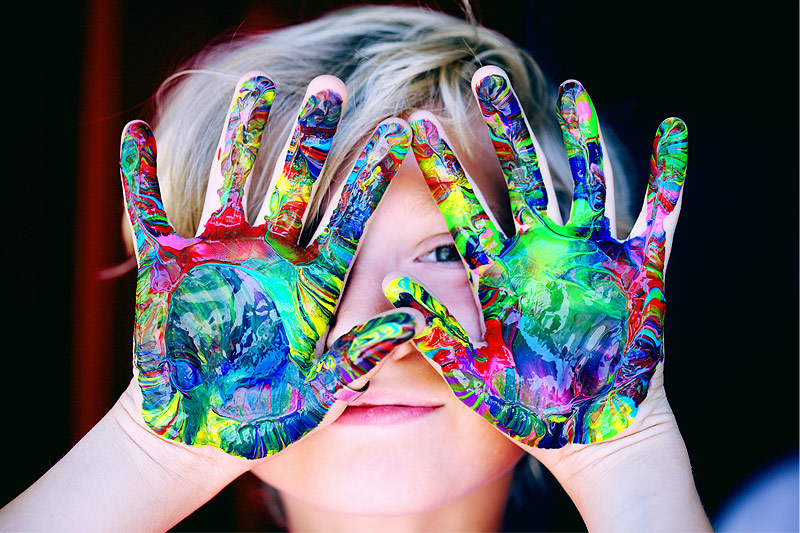
When I start the therapeutic process with a child I want them to know that they can show up just the way they are no matter how messy. That despite whatever challenges they might be going through they won’t be judged or asked to leave. My goal is to create a space where children feel safe, seen and cared for because it is only in this feeling of safety that children can connect to themselves and learn new ways of navigating the world.
Play therapy can support children of all ages with many challenges including trauma, emotional regulation, big transitions, attachment injuries and many more. Play is a child’s language and each of the children I work with has a different dialect so it is my job to listen and support them with whatever they may be experiencing. Over the years I have seen many examples of the positive impact play therapy has had on the transformation and healing of the children I work with.
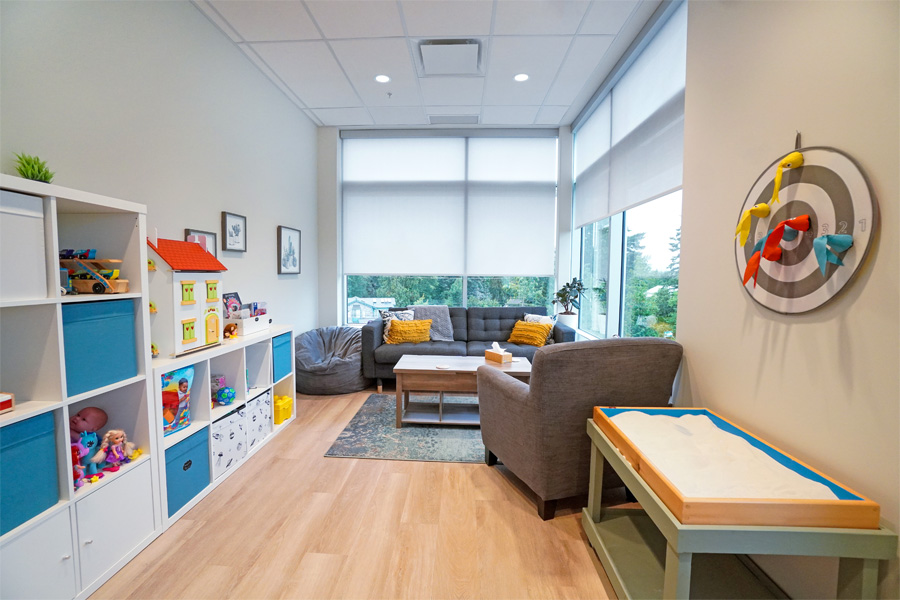
Play Therapy is facilitated by a therapist who has spent time learning about the development, neurobiology, and behaviour of children. Play therapists can be trained in various modalities each of which is designed to help support the needs of children in some way. These modalities are specialized and unique to play therapists and they guide the work that we do with children.
Play therapy is a space where kids can show up authentically and feel safe and seen while on their healing journey.