A Holistic and Multi-Professional approach to Women’s Physical and Emotional Health
Women's health is complex and multifaceted. Exploring the options for holistic and
multiprofessional approaches to care is a step in the right direction for supporting women's unique
health experiences.
What is the importance of a holistic and interdisciplinary approach to addressing women’s physical and mental health?
Despite growing awareness of gender disparities in healthcare, women’s reproductive health continues
to be underserved in ways that fail to fully account for the complex interplay between biological,
psychological, and sociocultural factors. In particular, issues related to reproductive health, chronic
pain, and mental health are often medicalized or minimized without sufficient attention to the lived
experiences of women. For this blog post I seek to critically explore both conventional and alternative
models of care, with an emphasis on non-pharmaceutical interventions and integrative healing
practices for women's reproductive health.
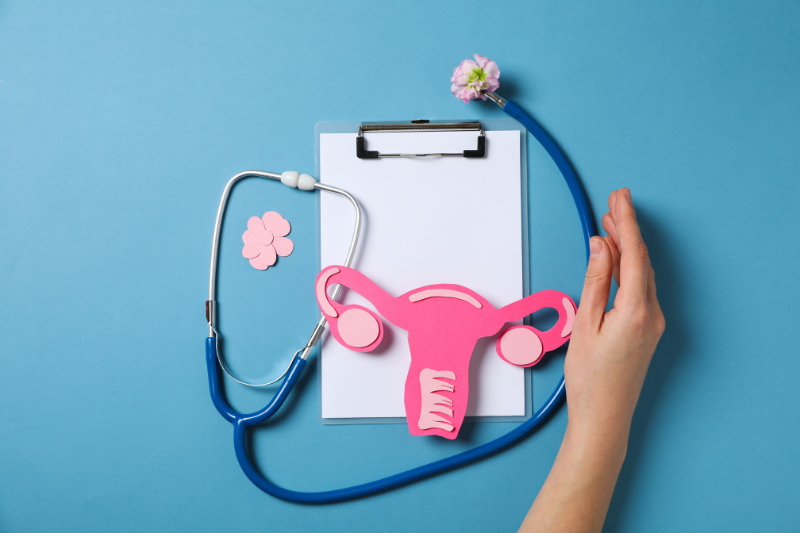
What is a holistic approach?
The literature identifies holistic health as a “bio-psycho-social-cultural-spiritual framework” that
is comprehensive (Olshansky et al., 2000, p. 3). Therefore, a holistic approach understands that
there are various contributing factors from different areas of an individual's life that affect their
wellbeing, biologically, psychologically, socially, culturally and spiritually.
Why a multi-professional and transdisciplinary approach?
Multi-professionalism is co-operative, appearing within multidisciplinary teams, utilizing
interprofessional or transdisciplinary approaches. The multi-professional cooperation in the social and
health care fields is needed for support to be efficient (Sormunen et al., 2024). The main purpose of the
utilization of multi-professionalism, as mentioned in the current literature, is the ability to share
expertise amongst transdisciplinary approaches through a client-centered approach, ensuring the client
is receiving an honest, holistic approach to their healing (Sormunen et al., 2024).
What are the pharmaceutical options for women's reproductive care?
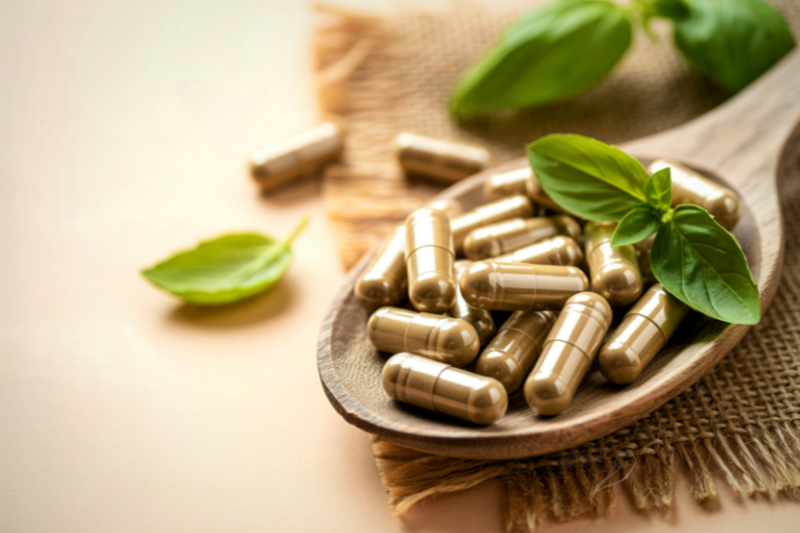
Pharmaceutical options for women’s reproductive care appears to be the main source of support for
managing women's health symptoms. For example, premenstrual syndrome consists of physical and
emotional symptoms recurring during the luteal phase of a woman’s cycle (Dickerson et al., 2003). The
physical and emotional symptoms of Premenstrual Syndrome (PMS), such as mood swings, headaches,
irritability, lack of concentration, low self-esteem, body aches and pains, nausea, and water retention
(Dickerson et al., 2003), can be difficult to manage. Research says, however, that to ease these
symptoms, there are some medicinal options, natural supplementation options, and other
nonpharmacologic treatments to be tried (Hofmeister & Bodden, 2016). Some of the
psychopharmacologic options are serotonergic antidepressants, serotonin-norepinephrine reuptake
inhibitors (SNRIS), quetiapine (antipsychotic), oral contraceptives, calcium supplementation, and
vitamin B6 supplementation.
What are the options for addressing women's reproductive health symptoms using
alternative, non-pharmaceutical interventions while utilizing a holistic framework?